How did 2001: A Space Odyssey, Star Wars, Doctor Who and Star Trek: The Next Generation create mind-bending visuals decades before CGI?
The secret is Slitscan, a terrifyingly complex technique that literally turns time into space. In this deep dive into VFX history, I explore the origins of the Slitscan technique. From its humble beginnings in 19th-century "strip photography" used for horse racing and mapping, to the genius of John Whitney and Douglas Trumbull, we look at how a mechanical slit, a long-exposure camera, and patience created the most iconic "trippy" visuals in cinema.
I'll cover:
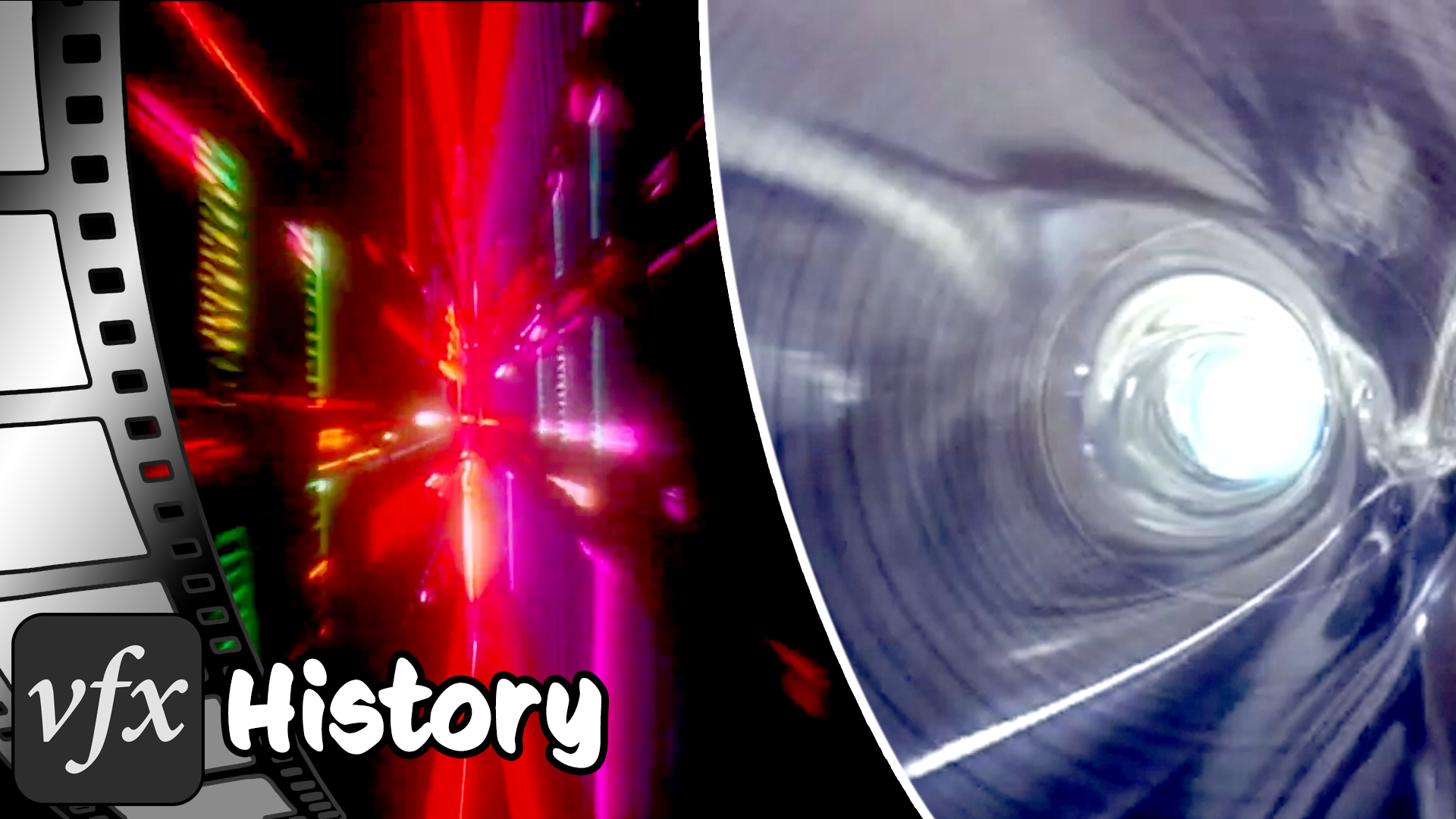
- The Stargate Sequence from 2001 imagined by Stanley Kubrick and Arthur C Clarke, then made real by Doug Trumbull.
- How Bernard Lodge adapted both the technique and a Rostrum camera to create Doctor's Who's title sequence.
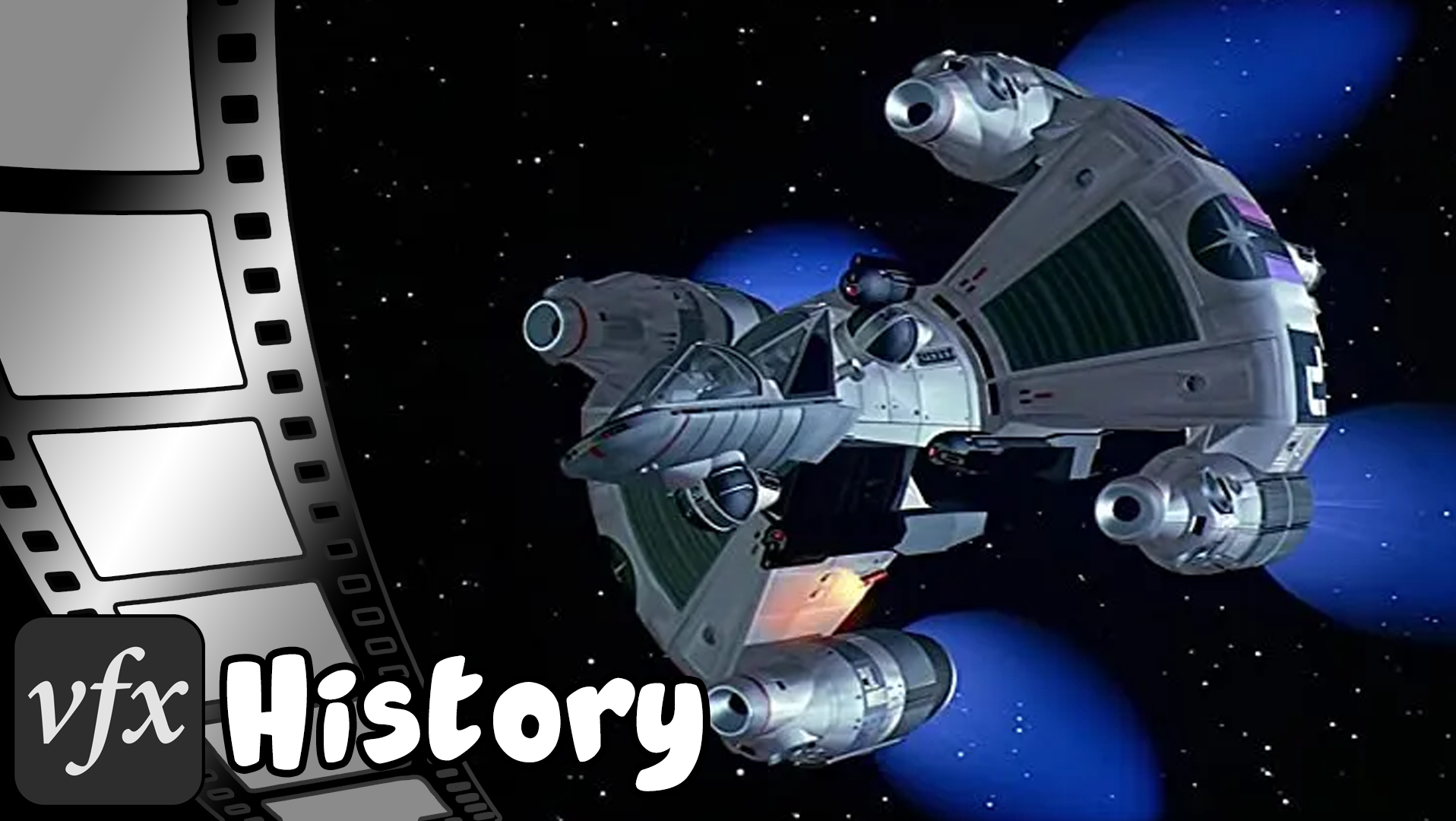
- John Dykstra's method for the jump to hyperspeed for Star Wars.
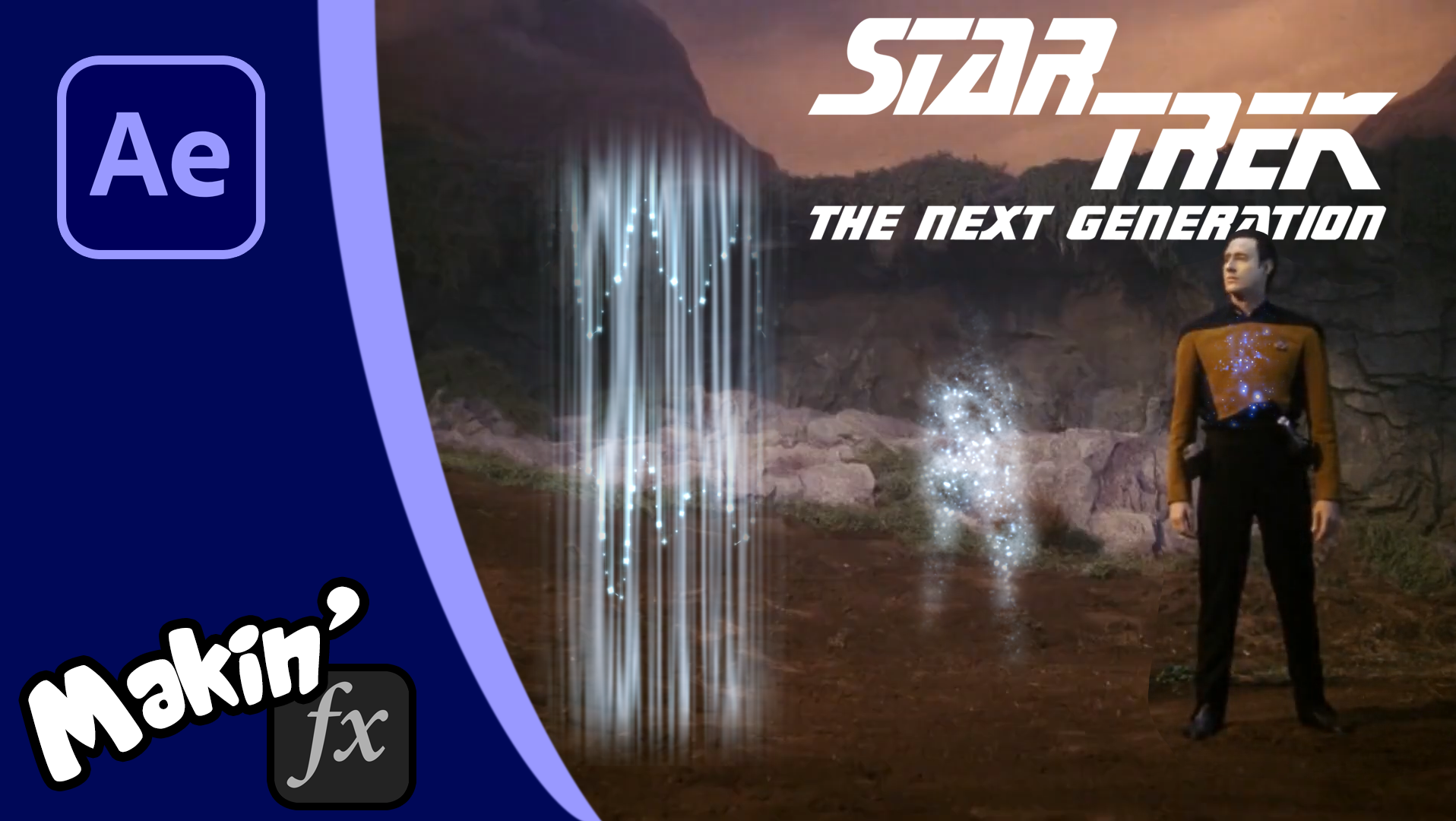
- ILM's John Knoll pushed the concept even further, creating a three dimensional version to stretch the Enterpise and then also created the famouns look of warp speed, with it's rainbow stars.
Bibliography
2001: A Space Odyssey. (1968). Directed by Stanley Kubrick. [Feature film]. UK/USA: Metro-Goldwyn-Mayer.
Behind the News (2015). How did Douglas Trumbull make the Stargate sequence in 2001 A Space Odyssey? [Online Video]. 18 December. Available at: https://youtu.be/P1gn06np-7g (Accessed: 8 March 2026). Knoll, J. (n.d.).
Jon Knoll Student Film (USC). [Online Video]. Available at: https://vimeo.org/871265438 (Accessed: 8 March 2026). Nataloff (2009).
Douglas Trumbull on 2001 Oscar. [Online Video]. 5 August. Available at: https://youtu.be/wHi2QghwtWc (Accessed: 8 March 2026).
To the Moon and Beyond. (1964). Directed by Con Pederson. [Cinerama 360 film]. USA: Graphic Films.
BFI (2022). Douglas Trumbull (1942-2022). Available at: https://www.bfi.org.uk/news/douglas-trumbull-1942-2022 (Accessed: 8 March 2026).
CinemaTyler (2019). John Whitney: The Father of Computer Animation. Available at: https://cinematyler.com/archives/749 (Accessed: 8 March 2026).
Den of Geek (2022). How Douglas Trumbull Changed Movie History. Available at: https://www.denofgeek.com/movies/how-douglas-trumbull-changed-movie-history/ (Accessed: 8 March 2026).
H2G2 (2007). The Slit-scan Photography Technique. Available at: https://h2g2.com/edited_entry/A907544 (Accessed: 8 March 2026).
Helm, P. D. (2015). Bernard Lodge: The Tunnel Effect. Available at: https://pdhelm.wordpress.com/2015/01/19/bernard-lodge-the-tunnel-effect/ (Accessed: 8 March 2026).
Indie Film Hustle (2021). Stanley Kubrick’s Slit Scan: 2001: A Space Odyssey. Available at: https://indiefilmhustle.com/stanley-kubrick-slit-scan-2001/ (Accessed: 8 March 2026). John and Jana Archive (2011). The Slit-Scan Process. [Archived]. Available at: https://web.archive.org/web/20110819015812/http://johnandjana.net/archive7/?p=3553 (Accessed: 8 March 2026). Ravensbourne University London (n.d.).
Doctor Who (1974): Version 5 Slitscan. BBC Motion Graphics Archive. Available at: https://www.ravensbourne.ac.uk/bbc-motion-graphics-archive/doctor-who-version-5-slitscan-1974 (Accessed: 8 March 2026).
Science & Film (2016). Graphic Films and the Inception of 2001: A Space Odyssey. Available at: https://scienceandfilm.org/articles/2656/graphic-films-and-the-inception-of-2001-a-space-odyssey (Accessed: 8 March 2026).
SportsShooter (2003). A Brief History of Strip Photography. [Archived]. Available at: https://web.archive.org/web/20081120030400/https://sportsshooter.com/news/2043 (Accessed: 8 March 2026).